Table of contents
When seconds count, emergency responders play a pivotal role in saving lives, protecting property, and restoring order. Delving into the world of emergency response reveals a diverse set of skills and training exercises that are vital for aspiring professionals. Explore the foundational areas where rigorous training transforms dedicated individuals into heroes ready for any crisis.
Mastering first aid basics
Aspiring emergency responders must develop a comprehensive grasp of first aid training, as these responder basics form the foundation of all emergency care interventions. Mastery of primary assessment enables quick evaluation of a victim's condition and prioritization of critical actions. Practicing lifesaving techniques like controlling bleeding through direct pressure, elevation, and tourniquet application ensures rapid intervention during traumatic injuries. In parallel, strong CPR skills are indispensable, allowing responders to sustain circulation and oxygenation in cardiac emergencies. Competence in splinting fractures minimizes further harm and stabilizes patients for safe transport. Lastly, familiarity with oxygen therapy equipment and delivery methods optimizes airway management in respiratory distress. Regular, realistic practice of these core skills enhances confidence and effectiveness in real-life crises, supporting successful outcomes in diverse emergency care scenarios.
Developing effective communication skills
Communicating clearly during emergencies is fundamental to the success of response operations, as lives often depend on swift, accurate exchanges of information. Training for emergency communication includes mastering radio protocols and practicing scenario-based incident reporting, which prepare responders to convey clear instructions even in high-stress environments. Realistic drills emphasize responder teamwork, ensuring that every member understands their role and communicates effectively within the structure of the incident command system. Focusing on crisis coordination, these exercises help aspiring responders build confidence in using radios, reporting critical details, and maintaining organized lines of communication that streamline decision-making and resource allocation during an unfolding incident.
Simulating disaster scenarios
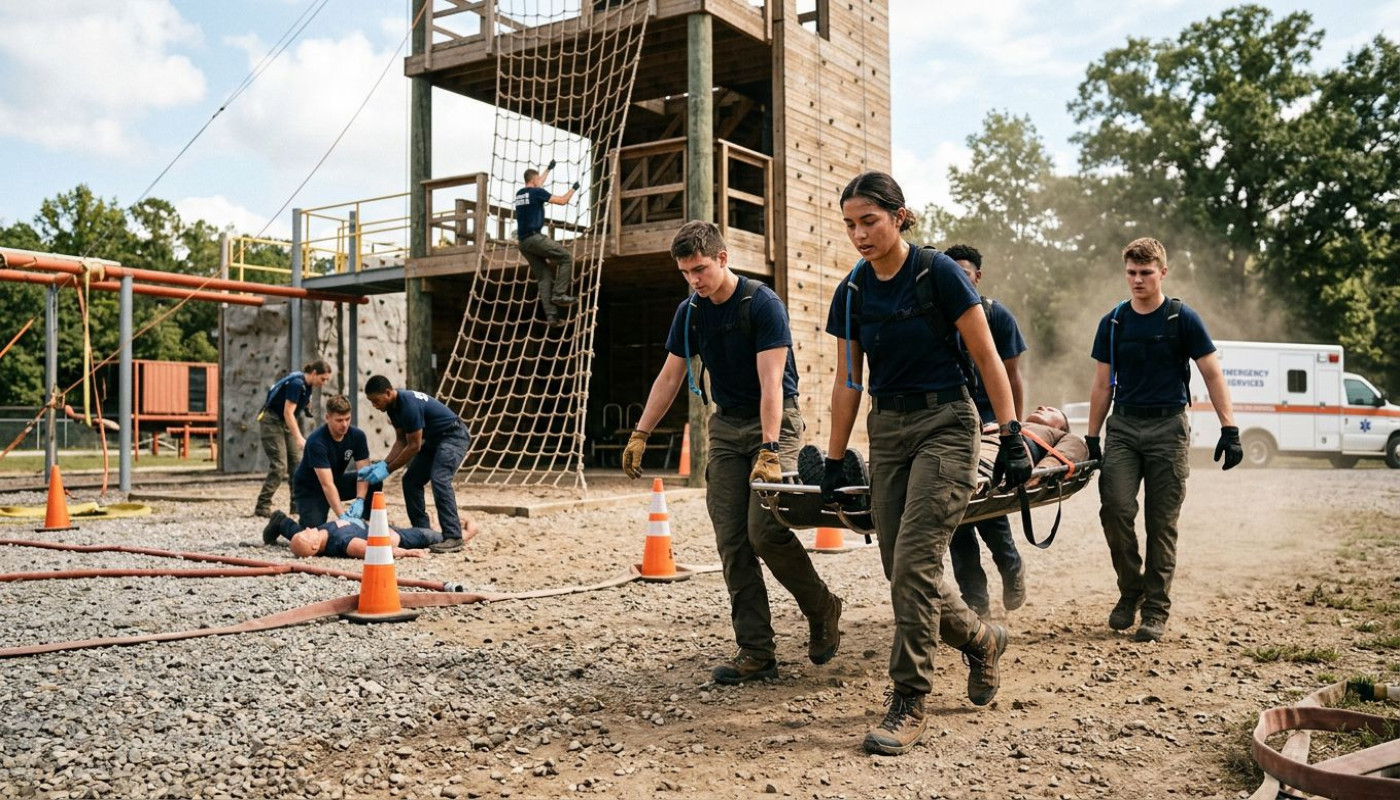
Scenario training stands at the forefront of preparing emergency responders for real-life emergencies by immersing them in disaster simulations that mirror the unpredictability and complexity of actual crises. Through carefully structured emergency drills, participants confront a variety of incidents, such as fires, chemical spills, or natural disasters, enabling them to refine their crisis response practice in a controlled setting. The tabletop exercise, a technical method employed by disaster preparedness professionals, allows teams to work through emergency scenarios step-by-step, evaluating decision-making processes and resource allocation. Realistic drills often involve live actors, specialized props, and simulated hazards, enhancing the authenticity of scenario training and ensuring that responders develop muscle memory and situational awareness under pressure. Following each session, after-action reviews are conducted to assess performance, identify gaps in response, and implement improvements. This continuous cycle of practice and evaluation ensures that emergency personnel are equipped with the skills and confidence necessary to act swiftly and effectively during actual emergencies.
Building physical and mental resilience
Emergency responders must undergo rigorous responder fitness routines that encompass both endurance training and strength conditioning to prepare their bodies for physically demanding situations. These training programs incorporate activities such as circuit workouts, high-intensity interval training, and weighted exercises, which simulate the strenuous nature of real emergencies. Equally vital are stress management methods, including breathing exercises, mindfulness, and critical incident stress management systems that help individuals recognize and reduce the psychological toll of crisis situations. Mental resilience is a key component, as it ensures responders maintain focus, decision-making, and composure even when exposed to high-pressure environments. Through a balance of physical and mental preparation, emergency preparedness becomes not just a skill but a sustainable capability, enhancing both personal well-being and operational effectiveness.
Psychological resilience training is designed to cultivate mental fortitude, enabling responders to adapt quickly and respond effectively when faced with traumatic events. This training often integrates scenario-based drills, peer support networks, and regular debriefings after critical incidents, ensuring that individuals have the mental tools necessary to withstand stress over time. Building this resilience is linked directly to improved performance under pressure, reducing the risk of burnout and promoting long-term career sustainability. For those seeking additional resources and information on training and preparedness, non Gamstop casinos provides valuable insights into emergency response standards and fitness requirements, which are further discussed at https://oncallfire.uk/.
Understanding hazardous materials response
Hazardous materials training forms the backbone of effective hazmat response, equipping emergency responders with knowledge and practical skills to recognize and address hazardous incident safety challenges. Trainees learn to identify hazardous substances through labeling systems, detection devices, and chemical databases, ensuring rapid and accurate threat assessment. Personal protective equipment (PPE) selection and proper usage receive dedicated focus, as correct gear minimizes exposure risks and enables safe operation in contaminated environments. Practical sessions involve fitting and donning various types of PPE, ranging from basic gloves and respirators to fully encapsulated suits, depending on substance toxicity and volatility.
Comprehensive hazmat response also emphasizes containment strategies to prevent hazardous material release from escalating. Techniques such as diking, damming, and absorption are covered, enabling responders to control spills and leaks efficiently. Simulation scenarios challenge trainees to apply these methods under time pressure, reinforcing decision-making and teamwork. Using tools for overpacking drums, patching containers, and deploying booms or absorbent pads forms a critical aspect of hands-on instruction. The goal is to minimize environmental contamination and safeguard public health until specialist remediation teams arrive.
Mastery of decontamination procedures is essential during hazardous materials training, as contamination can threaten both responders and victims. Instruction covers establishing decontamination corridors, choosing appropriate cleaning solutions, and employing methods like gross decontamination with hoses or technical decontamination with specialized agents. Responders practice decontaminating both personnel and equipment, learning to prevent the spread of hazardous substances beyond the incident zone. Emphasis is placed on communication, as clear signage and verbal instructions reduce confusion and improve throughput efficiency.
Ongoing education in hazardous incident safety ensures responders remain prepared for evolving threats. Recertification courses update protocols in light of new research, changing chemical inventories, and advances in PPE technology. Scenario-based exercises promote familiarity with local hazards, coordination with external agencies, and adherence to regulatory requirements. Through a blend of classroom study, simulation, and equipment drills, aspiring emergency responders develop the expertise and confidence needed to manage complex hazmat emergencies safely and effectively.
Similar articles